Key takeaway
A professional perfumer merges organic chemistry with artistic intuition to transform abstract emotions into stable, evocative liquid narratives. Their mastery is built through years of rigorous academic training, daily sensory discipline, and iterative creative dialogue with artistic directors. Far from anonymous technicians, today’s perfumers are celebrated as signed authors whose olfactory signatures define the heritage of luxury fragrance.
The olfactory industry relies on a select elite of fewer than 500 master creators worldwide to define the sensory identity of luxury. Yet, beyond the romantic image of the “nose” lies a rigorous discipline where organic chemistry meets poetic intuition to translate abstract emotions into stable liquid narratives. Understanding what is a perfumer requires looking past the myth to see the architect who masters thousands of raw materials while navigating strict global safety regulations.
We shall explore how these artists bridge the gap between molecular science and sensory storytelling to define the future of olfactory heritage. We will examine the evolution of their craft, from secret apprenticeships to their modern emergence as signed authors of invisible masterpieces.
Table of contents
The Perfumer: An Architect of Invisible Emotions
A professional perfumer, or “nose,” merges organic chemistry with artistic intuition to design olfactory signatures. This role requires mastering thousands of raw materials and navigating IFRA regulations to transform abstract emotions into stable, evocative liquid narratives.
The transition from a technical formula to a poetic masterpiece requires a delicate balance between the physical world and the imagination.
The Intersection of Molecular Science and Poetic Intuition
A perfumer acts as both a rigorous scientist and a visionary artist. They must handle volatile molecules with absolute precision while maintaining a vibrant creative spark within their studio.
Technical mastery allows them to manipulate raw materials with grace. They balance these elements to ensure a stable, harmonious formula that retains its integrity and beauty over time. As an artisan who creates perfumes, the nose serves as a bridge, transforming tangible matter into an ethereal, lingering shadow. This bridge allows the creator to move beyond the laboratory, reaching into the depths of human experience.
Translating Abstract Narratives into Olfactory Structures
Memories and distant landscapes find their voice through scent. The perfumer does not merely mix aromas; they carefully construct an entire world within a single glass vial.
The construction of accords remains the fundamental building block of this art. These structures define a unique signature, ensuring each creation carries a profound and lasting emotional resonance. Scent is a silent language. It speaks through the soul, as explored by the designer and perfumer Marc-Antoine Barrois.
Beyond the Gift: The Rigorous Path to Olfactory Mastery
While the initial spark is poetic, the path to becoming a master requires a discipline that borders on the ascetic.
The Shift from Family Apprenticeship to Academic Excellence
The craft once lived within Grasse lineages. Today, formal structures define the creator. Prestigious specialized institutions like ISIPCA have replaced quiet family secrets. This evolution ensures a universal standard of excellence.
Scientific mastery is now vital. Organic chemistry serves as the foundation. It governs composition and safety. Without this rigor, the artist remains limited. Knowledge of molecules is no longer optional. A degree is merely the beginning. True wisdom requires years of silence. Observation and practice refine the soul’s vision.
The Daily Discipline of the Sensory Palette
Identifying thousands of raw materials demands ritual. Every morning, the creator greets these essences. It is a constant memorization of fleeting nuances. Recognition becomes second nature through persistence.
The ‘organ’ reflects a mental architecture. Bottles are sorted by family or volatility. This workspace mirrors the creator’s inner logic. It is where The Heritage of Perfumery: Elegance and Savoir-Faire 2026 finds its physical form. Olfactory memory grows over decades. It is a vast library of sensations. These mental archives store every sun-drenched resin. The nose is a muscle. It requires daily exercise. Without work, the gift fades.
From the Artistic Brief to the Final Sillage
Training provides the tools, but the actual birth of a perfume happens through a complex, often collaborative, creative dialogue.
The Collaborative Dialogue with the Artistic Director
The creator translates the Maison’s soul into scent. It is a shared journey where words become scents. Every abstraction finds its olfactory form.
The iterative process demands patience. Hundreds of trials are often necessary to reach the perfect balance. We seek the final sillage with absolute precision. Feedback refines the initial spark. The artistic director acts as a mirror for the technical execution. This dialogue ensures the story remains pure.
- The initial brief (mood, story, target)
- The laboratory trials (mods)
- The evaluation phase
- The final selection
Balancing Creative Freedom with Regulatory Compliance
IFRA standards dictate our palette. These rules ensure safety but limit traditional raw materials. Such boundaries force us to seek new paths.
We must find beauty within strict frameworks. A perfumer creates art within necessary legal boundaries. Excellence arises from these quiet, mandatory constraints. Constraints lead to poetic solutions. New molecules replace old ones seamlessly. The soul remains intact despite the changing science. You can discover our perfume collection to experience these creations firsthand.
The Evolution of the Author in Modern Perfumery
This technical dance concludes with a shift in how we perceive the creator—from a hidden chemist to a celebrated author.
Distinguishing the Creator from the Fragrance Evaluator
The laboratory defines specific destinies. The chemist manages molecules. Meanwhile, the evaluator guides the scent’s commercial direction through the complex market.
The lead nose carries ultimate responsibility. They hold final creative authority. Every bottle bears the signature of their unique composition. Daily life involves constant dialogue. It is a team effort. Each profile ensures success through shared expertise and technical precision.
| Role | Primary Focus | Key Responsibility |
|---|---|---|
| Perfumer | Creation | Formulating the olfactory soul. |
| Evaluator | Market | Ensuring relevance and appeal. |
| Chemist | Stability | Managing molecular integrity. |
The Emergence of the Perfumer as a Signed Artist
The era of the anonymous technician fades. Public interest centers on the author. Consumers seek the hands that crafted their scent.
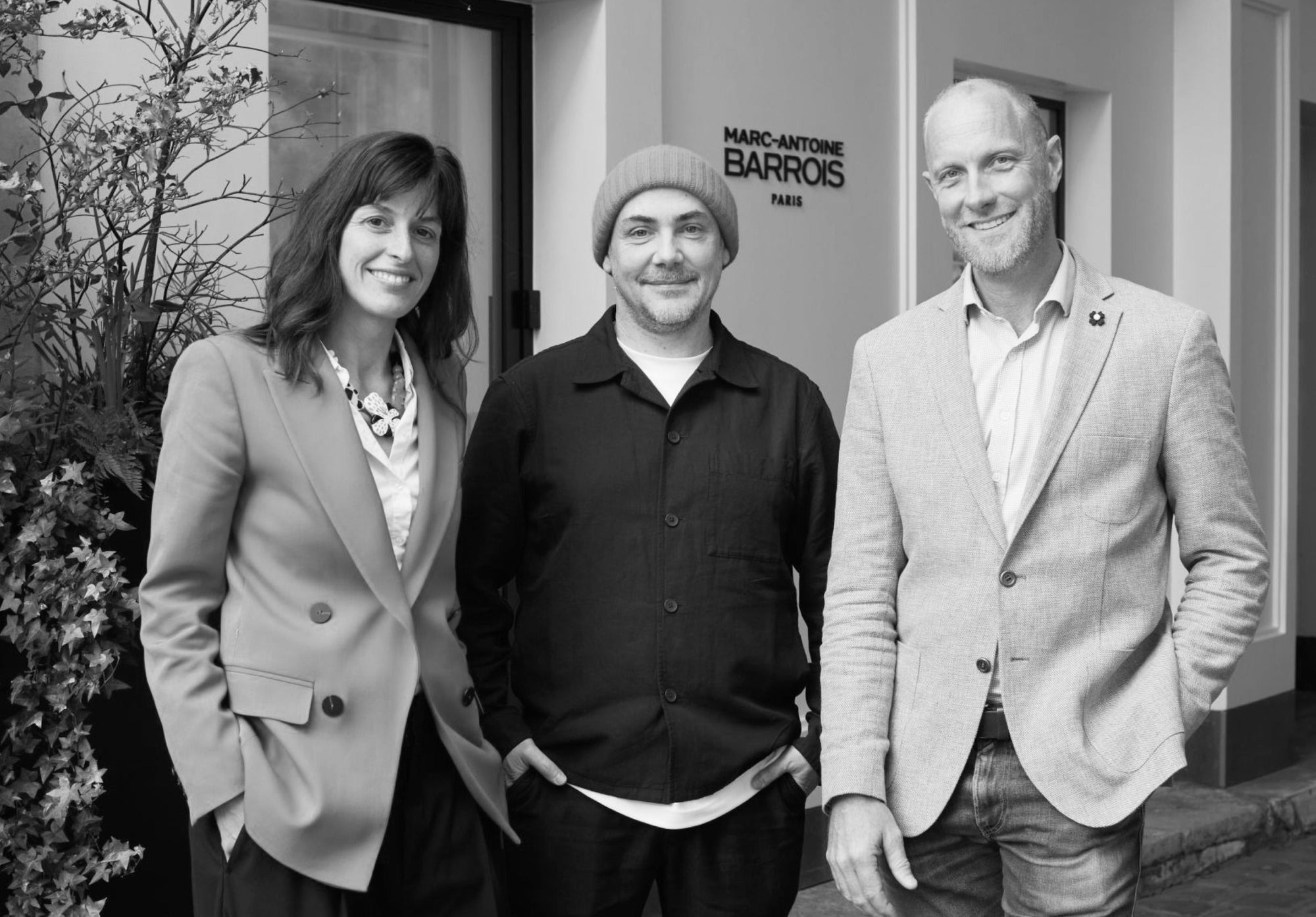
Crediting creators transforms the industry. It adds authenticity. Luxury houses embrace this artistic value as a mark of true distinction. Perfumers are poets of the invisible, as seen in these reflections on the philosophy of scent. Recognition follows, as when Marc-Antoine Barrois received the CEW France Creator Award. What is a perfumer if not a storyteller?
The mastery of a nose transcends simple chemistry, blending rigorous academic discipline with the poetic intuition of an author. By harmonizing raw molecules and abstract narratives, you possess the power to evoke eternal memories. Embrace this olfactory journey today to define your own sensory legacy through the timeless art of what is a perfumer.
FAQ
What defines the role of a professional perfumer?
Often whispered of as a “nose,” a professional perfumer is a master artisan who harmonizes the rigorous precision of organic chemistry with a profound artistic intuition. These creators possess the rare ability to distinguish thousands of raw materials, weaving them into complex olfactory narratives that transcend the mere blending of scents. Their craft is one of translation, turning abstract emotions and fleeting memories into a stable, evocative liquid form.
Beyond the laboratory, the perfumer acts as a poet of the invisible, utilizing a vast sensory library to design signatures that resonate on a deeply personal level. Whether crafting a “fine fragrance” for a luxury Maison or a “functional fragrance” to elevate everyday rituals, they navigate a world where molecular science meets the ethereal beauty of scent.
How do these creators translate abstract concepts into evocative fragrances?
The journey from a poetic brief to a finished sillage is a sophisticated process of olfactory translation. When presented with an intangible idea—such as a specific landscape or a nuanced emotion—the perfumer utilizes a complex language of “accords” and “building blocks.” For instance, the concept of “warmth” might be articulated through a meticulous balance of amber, vanilla, and exotic spices, while “joy” finds its voice in vibrant floral and citrus notes.
This architectural process involves structuring the fragrance into a pyramid of top, heart, and base notes, ensuring the narrative unfolds beautifully over time. By utilizing historical innovations like “De Laire Bases”—pre-assembled accords that blend synthetic molecules with natural essences—the perfumer can build intricate worlds, transforming a client’s abstract vision into a tangible, sensory reality.
What is the modern path to becoming a master of scents?
While the craft was once a guarded secret passed through family lineages in Grasse, the path to mastery has evolved into a rigorous academic and professional discipline. Today’s aspiring creators often seek entry into prestigious institutions such as ISIPCA in Paris or the Grasse Institute of Perfumery. These programs demand a solid foundation in organic chemistry, recognizing that a deep understanding of molecular stability and safety is as vital as creative flair.
The education of a “nose” is an enduring commitment, typically requiring years of apprenticeship to refine the sensory palate. Even after formal schooling, the true learning occurs through a daily ritual of smelling and memorizing, building a mental library of sensations. It is a discipline that borders on the ascetic, where the nose is treated as a muscle that must be exercised constantly to maintain its peak performance.
Are contemporary perfumers recognized as individual artists?
We are witnessing a profound cultural shift where the perfumer has emerged from the shadows of the laboratory to be celebrated as a signed author. Historically, these creators remained anonymous, their work attributed solely to the brand’s name. However, since the early 2000s, luxury houses have increasingly credited their “noses,” acknowledging the unique artistic signature they bring to each composition.
This recognition transforms the fragrance from a commercial product into a piece of art, signed by its creator. By highlighting the individual behind the scent, brands offer a layer of authenticity and heritage that resonates with modern connoisseurs. Today, the perfumer is rightfully viewed as an architect of emotions, a visionary whose legacy is captured in every lingering trail of sillage.
How does the creative process balance artistry with strict regulations?
The creation of a modern fragrance is a delicate dance between boundless imagination and the structured boundaries of regulatory compliance. Perfumers must navigate the standards set by IFRA, which ensure consumer safety by limiting certain traditional raw materials. Rather than stifling creativity, these constraints often act as a catalyst for innovation, pushing the creator to discover new molecules and sustainable alternatives that preserve the soul of the fragrance.
Within this framework, the perfumer collaborates closely with an Artistic Director, engaging in a dialogue where feedback refines the technical execution. It is an iterative journey of hundreds of trials, where the ultimate goal is to achieve a harmonious balance that satisfies both the poetic vision of the brief and the rigorous safety requirements of the modern world.