Key Takeaways : French perfumery is a living heritage where historical mastery meets modern soul. From Catherine de Medici’s scented gloves to Grasse’s UNESCO-recognized extraction techniques, this artistry prioritizes emotional narrative over mass production. Today, houses like Marc-Antoine Barrois preserve this excellence through 100% French craftsmanship and poetic, gender-neutral compositions that redefine sustainable luxury for the discerning senses.
Perfumery is a living heritage shaped by centuries of craftsmanship, creativity and refinement. From the earliest botanical distillations to the rise of French savoir-faire, fragrance has evolved into an art form where technique meets emotion. Today, this tradition continues through independent houses that preserve authenticity while redefining modern luxury. This guide explores the heritage of perfumery and how it still influences contemporary creations.
table of contents
THE HISTORICAL FOUNDATIONS OF FRENCH OLFACTORY ART
Perfume in France is far more than a mere accessory; it is a living breath of cultural identity, rooted in ancient botanical wisdom and the silent language of the soul.
FROM MEDIEVAL APOTHECARIES TO THE FIRST ALCOHOLS
The Crusades brought vibrant, exotic spices to Europe. These rare treasures transformed medieval pharmacies into sensory havens. Early hygiene habits shifted as aromatic waters began to touch the skin. In 1370, the "Queen of Hungary Water" emerged as a milestone. This first French alcohol-based perfume relied on rosemary distillates. It marked a definitive departure from ancient oil-based traditions. These herbal waters served a dual purpose. They were cherished as medicinal remedies and as aesthetic enhancements for the complexion.
THE RENAISSANCE INFLUENCE AND THE MEDICI LEGACY
Catherine de Medici arrived at the French court with her personal perfumer, René le Florentin. This encounter merged Italian refinement with local botanical secrets. A creative revolution was born, forever wedding art to the bottle. Scented gloves soon became the ultimate signature for the aristocracy. These leather items masked raw odors with floral essences. They defined high-society fashion as essential symbols of status and grace. This heritage of Maison MARC-ANTOINE BARROIS echoes through time. The historical bond between leather and scent remains a cornerstone of contemporary elegance.
GRASSE AND THE TECHNICAL MASTERY OF BOTANICAL EXTRACTION
The elegance of the French court eventually sought a home where nature could meet such high ambition. This journey leads us to the sun-drenched hills of Provence, where a unique alchemy transformed a local craft into a global legend.
THE TRANSITION FROM LEATHER TANNERIES TO FLORAL EXCELLENCE
Grasse was once a rugged tanning hub. To mask the pungent scent of leather, artisans began experimenting with floral essences. This practical necessity birthed a refined new industry. Provence offers a rare, protective microclimate. The Mediterranean air and fertile soil create a sanctuary for delicate flora. Here, the iconic May rose and jasmine reach their most poetic expression. Geography became a silent partner in creation. This natural advantage turned a small town into the world’s perfume capital. Its prestige remains an undisputed benchmark for excellence today.
PRESERVING ANCESTRAL EXTRACTION AND BLENDING TECHNIQUES
Artisans still practice time-honored methods like steam distillation and enfleurage. These patient processes are designed to capture the very soul of the plant. Modern masters rely on this heritage to ensure uncompromising quality. The "nose" acts as a guardian of olfactory memory. They ensure each blend maintains its signature consistency over time. This mastery is a sacred knowledge passed through generations. In 2018, UNESCO officially recognized these unique local skills. This distinction confirms that the French perfume heritage is a treasure for all humanity. It celebrates a living art form. The three pillars of Grasse heritage: cultivation of perfume plants, knowledge of raw materials, and the art of composition.

THE PARISIAN INFLUENCE ON GLOBAL LUXURY STANDARDS
While Grasse provided the raw soul, Paris provided the stage and the structure for modern luxury.
THE RISE OF GRAND PERFUME HOUSES IN THE 19TH CENTURY
Legendary boutiques like Houbigant opened in Paris, transforming fragrance into a sophisticated retail experience. These elegant spaces catered to a cultured, demanding elite. In 1889, Guerlain’s Jicky introduced synthetic molecules like vanillin. This innovation defined the modern structure of top, heart, and base notes. Couture and scent became inseparable. Fragrance served as the final, poetic touch of a complete sensory silhouette.
MAINTAINING QUALITY THROUGH THE MADE IN FRANCE LABEL
The "Made in France" label carries immense prestige. It represents a commitment to authenticity and manufacturing standards that global consumers trust deeply. French houses practice strict sourcing for raw materials. They prioritize the finest ingredients to preserve their reputation for artistic integrity and excellence. Industry syndicates protect this artisanal heritage. They prevent mass-market dilution and safeguard traditional craftsmanship.
| Era | Key Innovation | Olfactory Impact | Cultural Significance |
|---|---|---|---|
| Middle Ages | Aromatic waters & early distillation | Herbal, medicinal fragrances | Perfume as care and protection |
| Renaissance | Scented gloves & Medici influence | Fusion of leather and florals | Perfume becomes a symbol of aristocratic elegance |
| 19th Century | Synthetic molecules (e.g. vanillin) | Structured compositions (top / heart / base) | Birth of modern perfumery |
| 20th Century | Couture fragrances | Signature scents tied to fashion identity | Perfume as an extension of style |
| 21st Century | Niche perfumery revival | Artistic, emotional, genderless compositions | Return to individuality and meaning |
INDEPENDENT HOUSES AS THE NEW CUSTODIANS OF TRADITION
In a world of mass production, a new wave of creators is looking back to move forward, reclaiming the artistic freedom of the past.
MOVING AWAY FROM MASS MARKET STANDARDIZATION
Discerning enthusiasts now reject generic scents found in every airport. They seek a personal signature, a rare olfactory shadow that whispers their identity. Authenticity has become the ultimate luxury. Independent creators ignore focus groups to follow their intuition. They prioritize pure artistic expression. The beauty of the raw materials dictates the final accord, not a commercial brief. Choosing limited production ensures an uncompromising level of quality. Rare ingredients offer textures and nuances. Mass markets simply cannot achieve this depth of soul and craftsmanship.
THE IMPORTANCE OF NARRATIVE AND EMOTIONAL SILLAGE
Niche perfumery focuses on deep storytelling. Each scent evokes specific memories. These creations transport the wearer to poetic, imaginary places, turning a simple spray into a profound internal voyage. The shift toward gender-neutral compositions offers a new liberty. Fragrances are judged solely on beauty. You can explore the Journal de Marc-Antoine Barrois to discover these emotional landscapes. The dialogue between the designer and the nose is vital. This collaboration defines the heart of the Maison. It represents the pinnacle of modern artisanal excellence and shared vision.
MARC-ANTOINE BARROIS AND THE POETIC FUTURE OF CRAFTSMANSHIP
This contemporary vision finds its most refined expression in a House where the precision of couture meets the soul of fragrance.
A CREATIVE DIALOGUE BETWEEN COUTURIER AND PERFUMER
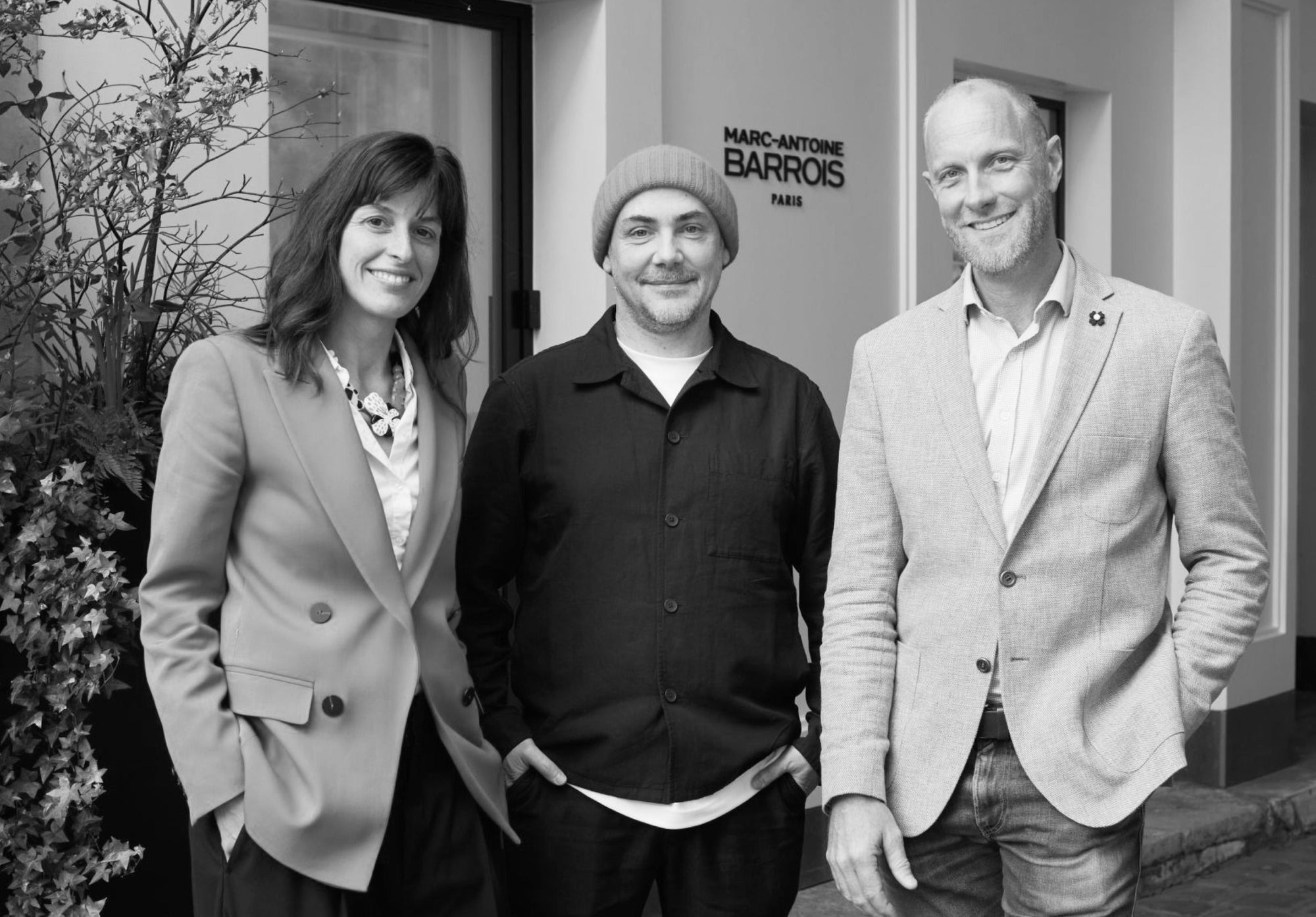
The encounter between Marc-Antoine Barrois and Quentin Bisch sparked a dialogue of rare intensity. Their partnership merges textile rigor with a boundless olfactory imagination. Together, they redefine the very essence of modern French perfumery. Materials transform into ethereal scents. Imagine a suede that breathes like skin. Mineral facets evoke the cold touch of starlight. Iconic creations like Ganymede illustrate this journey. This fragrance honors heritage while offering a singular, avant-garde elegance. It remains a testament to timeless French savoir-faire.
SUSTAINABLE LUXURY AND THE ETHICS OF EXCELLENCE
The House maintains an absolute commitment to 100% French manufacturing. Every step, from essence to packaging, supports the local economy. This dedication preserves the artisanal traditions of the country with quiet pride. Plastic has vanished from every box. By choosing refillable options, the House proves a point. True luxury exists in harmony with a conscious, sustainable world. In Nîmes, hands still guide the filling process. This human touch transforms each bottle into a unique piece. It is a celebration of the soul within the object. From Grasse’s botanical mastery to Parisian refinement, French savoir-faire remains the pinnacle of olfactory art. Reclaiming this heritage, unique niche fragrances offer a poetic escape from standardization. Embrace a singular signature and let these timeless stars illuminate your inner landscape forever.
FAQ
Why did France become the world's leading authority in perfumery?
The ascent of France as the global heart of fragrance is a tapestry woven from royal ambition and natural abundance. While the 1370 creation of "Queen of Hungary Water" marked the birth of alcohol-based scents, it was the 16th-century arrival of Catherine de Medici and her perfumer, René le Florentin, that truly ignited the revolution. By merging Italian refinement with the botanical treasures of the French landscape, perfumery was elevated from a medicinal craft to a symbol of ultimate prestige. This tradition was further anchored in the unique microclimate of Grasse, which provided the world with incomparable jasmine and roses. Over centuries, the "Made in France" label became a testament to rigorous standards, ancestral extraction techniques, and an artistic philosophy that views fragrance as the essential, invisible silhouette of elegance.
What historical role did the town of Grasse play in the perfume industry?
Grasse’s destiny was shaped by a fascinating olfactory transformation. Originally a center for leather tanning, the town turned to flowers to mask the pungent scents of the trade. This necessity birthed the Gantier-Parfumeur (Glover-Perfumer) tradition, where master artisans infused luxury leathers with local essences like lavender and orange blossom. Recognized by UNESCO for its intangible heritage, Grasse remains the world’s perfume capital due to its three pillars of excellence: the meticulous cultivation of perfume plants, a profound knowledge of raw materials, and the complex art of composition. Today, Maison MARC-ANTOINE BARROIS continues to honor this legacy by sourcing its inspirations and technical expertise from this sun-drenched cradle of savoir-faire.
What are the hallmarks of a traditional French fragrance composition?
The architecture of a classic French fragrance is defined by the "olfactory pyramid," a structure popularized by legendary houses in the 19th century. This method harmonizes top, heart, and base notes to ensure a scent evolves beautifully on the skin over time. It is a balance of technical precision and sensory poetry, where volatile citrus notes give way to floral hearts before settling into deep, enduring resins or woods. Beyond the structure, the hallmark lies in the sillage, the evocative trail left by the wearer. Whether it is the mineral suede of a modern creation or the herbal distillates of an ancient water, French perfumery seeks to create an emotional resonance. It is not merely about "smelling good," but about telling a story that lingers in the memory long after the wearer has departed.